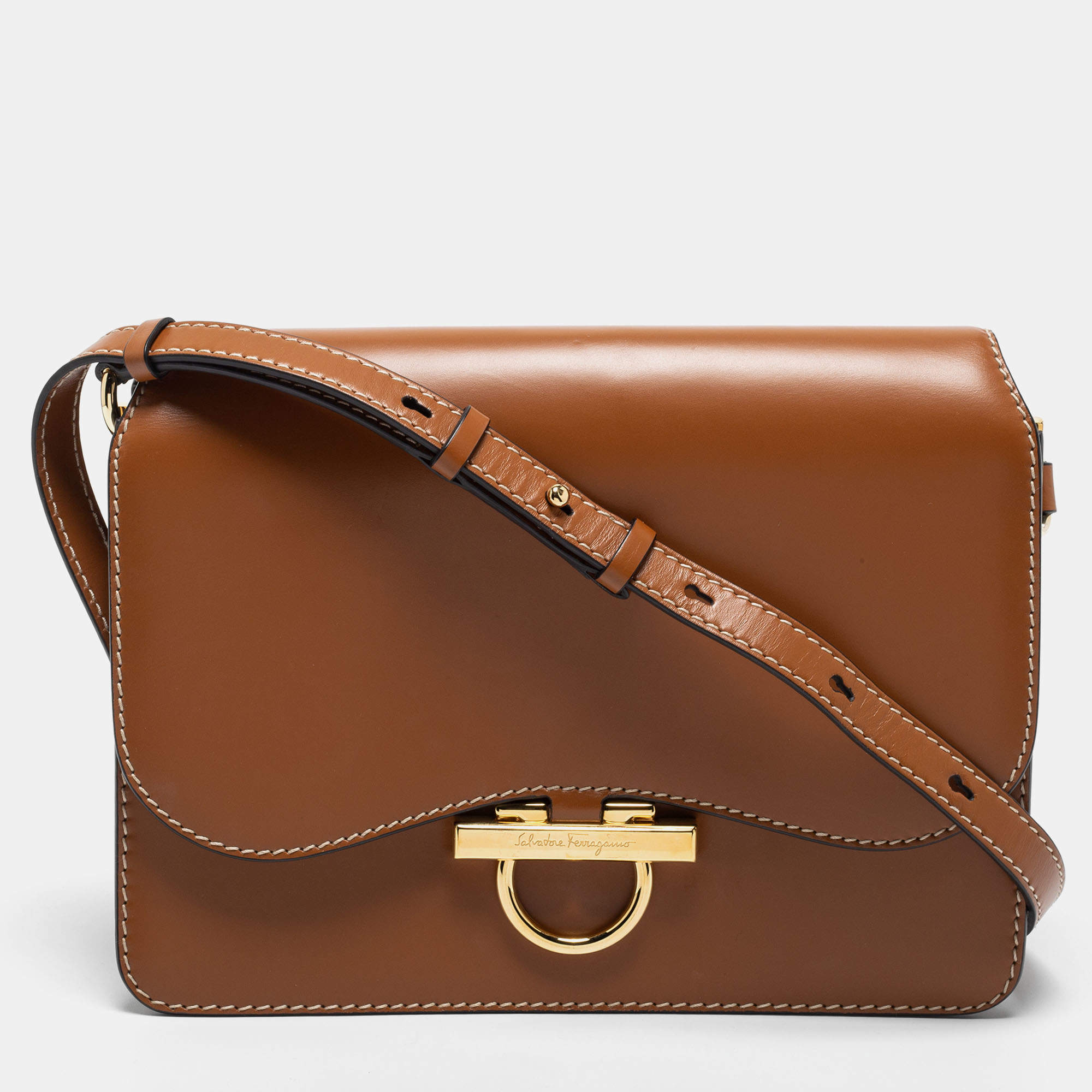
Salvatore Ferragamo Handbag Maintenance 101: Maintaining Your High-Value Buy In Mint Condition
Choosing a Ferragamo bag is seldom an unplanned decision — it’s a carefully weighed investment, often saved for and selected with genuine deliberation. That’s exactly why ongoing upkeep becomes so significant. Whether your choice landed on a boxy top-handle design or a more relaxed shoulder style, the materials, metalwork, and craftsmanship were built to last decades if you meet them halfway. Salvatore Ferragamo has built its reputation over nearly a century on craftsmanship, and that standing only endures provided owners know exactly what upkeep their bag calls for. What follows lays out the practical, no-frills upkeep habits that keep a Ferragamo bag looking closer to day one than year five.
Too many people treat luxury leather goods the way they treat fast-fashion accessories: acquire, use, forget, swap out. A Ferragamo bag calls for another mindset entirely. Modest routines — how you store it, what you wipe it with, how you handle rain — accumulate over time into a noticeably better-kept piece. None of this requires an expert. It requires consistency.
Knowing What You’re Really Maintaining
Before diving into products and routines, knowing the materials at hand makes a real difference, because Ferragamo bags aren’t uniform. The maison uses smooth calfskin, saffiano-textured leather, suede, and exotic-effect finishes, with each material responding uniquely to pressure and use. Scuffing shows up differently on a smooth calfskin tote versus a saffiano-textured bag, while suede sections call for a completely different care approach than polished leather. Look over the care card or authenticity documents that accompanied your bag — Ferragamo typically includes material-specific guidance at purchase, and that card deserves to be kept rather than thrown out with the box.
The hardware is another commonly neglected consideration. A large number of Ferragamo bags feature the signature Gancini ferragamo leather bag clasp or other metal closures in gold-tone, palladium, or ruthenium finishes. These finishes can tarnish with prolonged exposure to moisture, perfume, or skin oils, so wiping hardware with a dry microfiber cloth after each wear is a small habit with outsized payoff. Lining fabric, often a branded jacquard or canvas, also needs occasional attention since spills and pen ink transfer more easily there than on the exterior leather.
Knowing your specific bag’s construction changes how you approach every subsequent step, spanning everything from the cleaners chosen to how humid its storage space is. That’s what separates broad, generic advice from maintenance that truly protects the bag you own.
Daily and Weekly Habits That Prevent Damage
The bulk of damage to a luxury bag rarely occurs in a single catastrophic event — it builds up from small daily neglect. Setting your bag on rough surfaces, dropping it in a car seat crevice, or allowing sweat and lotion residue from bare skin to soak in all exact a slow price. A simple rule: consider the base and corners as the most vulnerable zones, since they take on the highest degree of rubbing and handling.
- Go over the exterior with a dry, soft cloth following every use to lift off dust, oils, and surface grime before it settles into the leather grain.
- Don’t place the bag directly on floors, especially in eateries, airports, or transit systems, where grit and moisture cause the greatest surface damage.
- Alternate which arm or hand holds the bag to spread out strap and handle wear evenly rather than focusing pressure on one attachment point.
- Clear out the bag once a week to check for leaking pens, makeup spills, or crumbs that can discolor the interior lining if left unattended.
- Store receipts, keys, and metal objects in a dedicated pouch inside the bag to prevent scratching against the inner leather or metal fittings.
Each of these habits take more than a couple of minutes, but neglecting them repeatedly is how a bag just 2 years old ends up looking older than it should. This kind of consistency is an inexpensive safeguard against costlier repairs down the line.
Caring For Leather, Suede, and Hardware Correctly
Cleaning method depends completely on material, and using the wrong product can lead to harm that’s nearly irreversible. For smooth calfskin, a leather-specific cleaner applied sparingly with a gentle cloth, then finished with a leather conditioner every few months, maintains suppleness and helps prevent cracking. Avoid using household cleaning products, baby wipes, or alcohol-based solutions on fine leather — these strip away the leather’s natural oils and can dull the finish permanently.
Saffiano leather is less sensitive with light moisture because of its textured, coated finish, but it still shouldn’t be soaked or scrubbed aggressively. A lightly moistened microfiber cloth followed by prompt drying using another dry cloth is typically enough for surface-level stains. Suede is the trickiest material in the Ferragamo lineup to maintain; it calls for a specialized suede brush used in a single direction to lift dirt, and any spills should be dabbed right away rather than scrubbed, which only spreads the mark deeper into the nap.
Hardware cleaning is more straightforward but still requires restraint. A dry microfiber cloth handles regular care, and if tarnish builds up, a cloth made specifically for metal jewelry — not a chemical polish, ever — brings back shine without damaging the surface coating. If there’s doubt about whether damage is too severe for at-home methods, professional leather restoration services experienced with luxury handbags are a wiser option than DIY experimentation. Attempting DIY fixes on a piece this valuable is where most irreversible damage actually happens.
Storage That Actually Protects Shape and Structure
How a Ferragamo bag is kept between wears counts nearly as much as cleaning it properly. Structured bags need inner reinforcement to prevent the base and edges from sagging or creasing with prolonged storage, so packing the interior using acid-free tissue or a bag-shaper pillow ahead of putting it away maintains shape much better than storing it empty. That dust bag from your purchase serves more than a packaging role — it shields the bag from dust gathering and superficial scratches from other pieces sharing shelf or closet space.
Shifts in temperature and moisture are quiet threats to leather goods. Storing a bag in a damp basement or a hot attic speeds up drying out, cracking, or the growth of mold on both the leather and the interior lining, so a temperature-controlled closet offers a safer setting. Sunlight causes uneven fading and color change, most notably on lighter leathers, so store bags clear of windows and direct light even if they’re on display instead of tucked away completely.
For pieces with delicate handle stitching, keeping it flat or upright with proper inner support is typically preferable than hanging a heavy bag by its handles for extended periods, which can stretch or distort their shape. For those with multiple bags, alternating which bag you use instead of favoring just one also gives each bag recovery time between wears, which carries more weight for structural health than commonly recognized.
Handling Rain, Spills, and Everyday Accidents
Even the most conscientious owner will sooner or later get caught in rain with a Ferragamo bag in hand, because weather is hard to forecast. Light moisture on smooth or saffiano leather can in most cases be patted without delay with a dry cloth and left to air dry naturally, kept clear of direct heat sources like radiators or hairdryers, since such sources can cause the leather to harden or split. Suede, by contrast, reacts far more poorly to moisture and ought to be pretreated using a protective spray prior to any exposure to uncertain conditions, because it’s far simpler to prevent damage than to fix it later.
Accidental spills — from beverages, food, or cosmetics — are more common than owners tend to admit, and speed matters more than force when handling such mishaps. The moment liquid spills, blot it — rubbing should be avoided with a clean, absorbent cloth, working from the outside of the stain inward to avoid spreading it further across the leather or lining. Ink is notoriously difficult to remove and often require professional intervention rather than home remedies, since alcohol-based ink removers can discolor leather permanently if used incorrectly.
For color transfer from denim or dark clothing, an issue frequently reported with pale-toned bags, prompt application of a gentle cleaner usually resolves the issue before it sets in permanently. Letting even a short time pass can turn a quick fix into a stain that needs expert attention. When in doubt, assume any incident needs prompt handling rather than an issue to put off.
How Care Needs Differ Among Popular Ferragamo Bag Styles
Care requirements vary from one Ferragamo bag to the next, and understanding these distinctions helps decide where to direct your maintenance effort. The chart beneath this outlines broad upkeep guidelines across common style categories found at any Ferragamo shop or when browsing Ferragamo bags overview pages online.
| Bag Style | Principal Material Used | Primary Maintenance Concern | Storage Recommendation |
|---|---|---|---|
| Structured top-handle | Smooth calf leather | Keeping handles conditioned against splitting | Stored upright with internal support, covered by its dust bag |
| Everyday tote | Saffiano-textured leather | Light moisture wiping, base corner checks | Kept lying flat and never overpacked |
| Slouch shoulder bag | Soft leather or suede | Brushing, immediate stain blotting | Packed with tissue and stored away from direct light |
| Mini/crossbody | Mixed leather and hardware | Hardware polishing, strap wear rotation | Stored in a drawer inside its dust bag, not stacked |
This overview serves as a general guide, not a complete set of rules, since individual pieces within each category can vary based on finish and construction year. Still, it demonstrates why one universal care approach seldom suits across an entire collection of Ferragamo bags, and why it pays more to follow your item’s actual care card than broad advice found online.
Selecting and Caring for Among the Top Ferragamo Bags
When buying, durability and ease of maintenance generally matter as much as aesthics for buyers searching for the best Ferragamo bags or top Ferragamo bags to invest in, though design still comes first. Structured silhouettes in saffiano or smooth leather generally prove more easygoing for regular use and trips, simply because they hide minor wear more effectively than suede or light-toned pieces. Should you be choosing between a few options at a Ferragamo shop, inquire about material maintenance needs before buying — store staff are generally well-versed in this and can offer honest guidance.
Among the best Salvatore Ferragamo bags, the ones that hold up best over time tend to share a few traits: well-made leather that takes well to conditioning, metal finishes that don’t dull easily, and build that maintains structure without too much internal padding. None of this guarantees immunity from damage, but they signal that a bag will forgive minor lapses in care more readily than a delicate suede piece would.
Ultimately, the “best” bag is the one whose care requirements match your real-world habits. A regular traveler is better matched with a structured calfskin or saffiano piece than a pale suede bag that shows every water spot. Pairing the right material with your intended use, before you buy, is arguably the most crucial step toward long-term bag care — long before you ever pick up a cleaning cloth.